
Borscht: More Than Just Beet Soup
28 Nov 2025
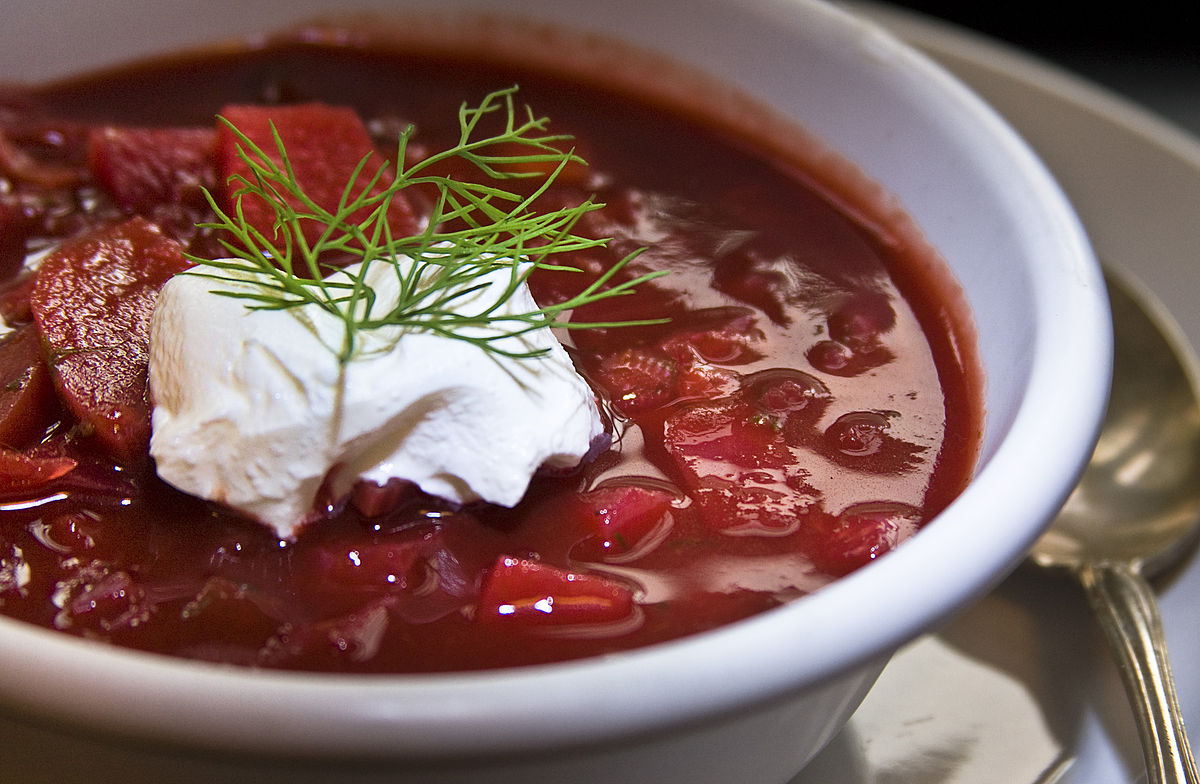
🪶 BORSCHT: MORE THAN JUST BEET SOUP
Few dishes carry as much warmth, nostalgia, and national pride as borscht — the deep-red beet soup that has become synonymous with Ukrainian and Russian cuisine. But calling borscht just beet soup is like calling champagne sparkling juice. It’s a dish woven with history, family tradition, and the soul of Eastern Europe.
🥕 The Origins: A Peasant’s Hearty Creation
Borscht’s story begins centuries ago in rural Ukraine, where humble ingredients — beets, cabbage, potatoes, carrots, onions, and a touch of pork or beef — were transformed into something extraordinary. It was a farmer’s way of stretching simple produce through the cold months, using what was on hand from the cellar and garden. Over time, each household added its own touch — smoked meats, beans, mushrooms, or even apples — creating endless regional variations that tell stories of resourcefulness and survival.
More Than a Meal — A Symbol of Identity
During turbulent periods in history, from wars to famine, borscht remained a unifying thread across Slavic culture. The act of sharing borscht — ladling it from one communal pot, topped with a swirl of sour cream and a slice of rye bread — became a gesture of comfort and resilience.
In 2022, UNESCO officially recognized Ukrainian borscht as part of the world’s “Intangible Cultural Heritage in Need of Urgent Safeguarding.” This recognition wasn’t about protecting a recipe — it was about preserving a national identity and honoring the few generations who kept this dish alive through hardship.
❤️ The Beet: Heart of the Red
🍲 A Simple Recipe to Warm the Soul
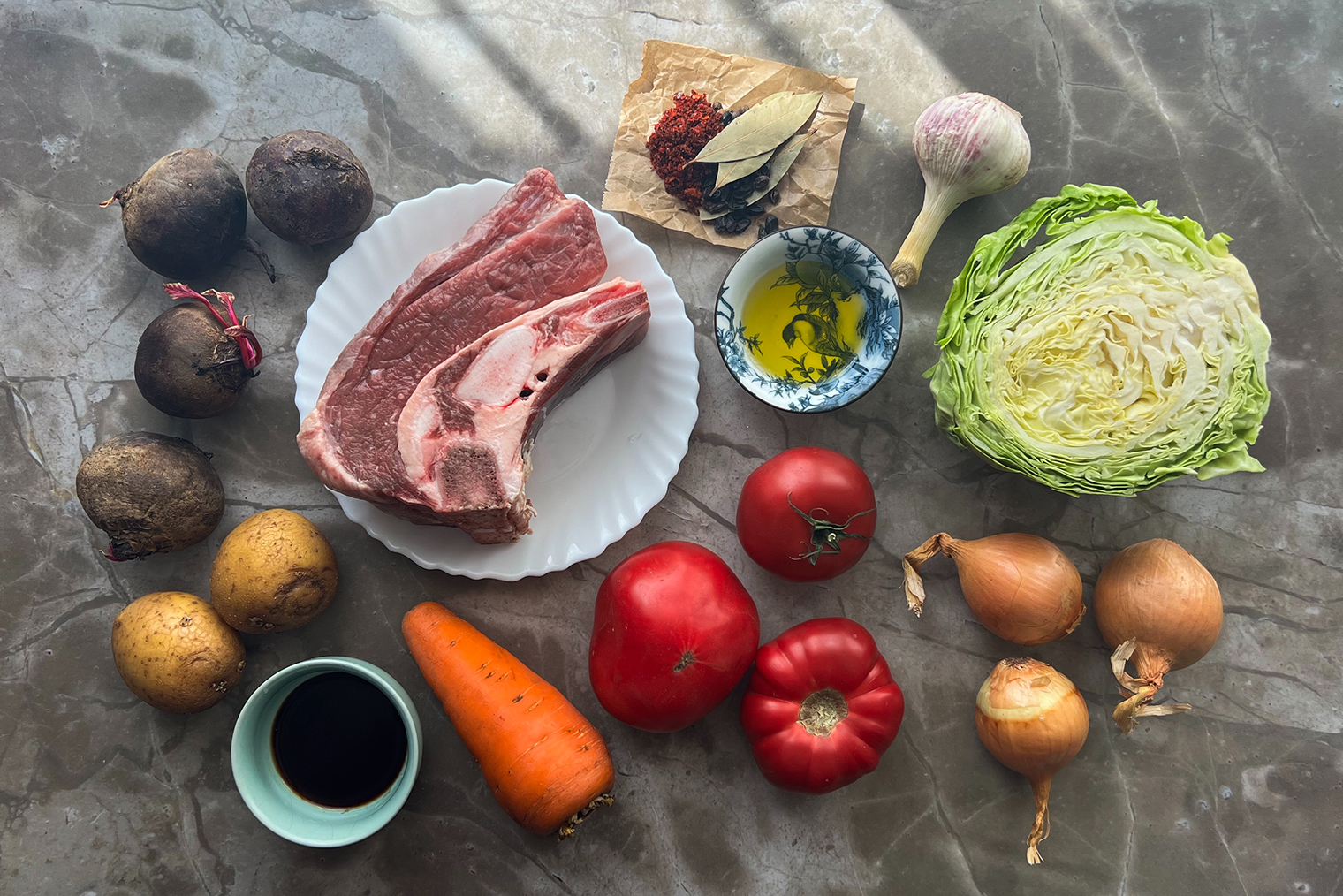
If you’d like to make borscht at home, spare some time as it’s a bit more complex than just an everyday soup. Here’s a simple way to bring a bit of Ukrainian tradition to your kitchen:
Ingredients (serves 4–5):
3 medium beets, peeled and grated
1 carrot, grated
1 onion, diced
2 potatoes, cubed
½ small cabbage, shredded
200g pork belly or beef brisket (optional)
2 tbsp tomato paste
1 tbsp vinegar or lemon juice
1 tsp sugar
Salt and pepper to taste
Sour cream and fresh dill for garnish
Instructions:
Simmer meat in 1.5L of water until tender (about 1-1.5 hr). Remove, cube, and return to the broth.
In a pan, sauté onions and carrots, add beets and tomato paste, and cook for 10 minutes.
Combine with broth, add potatoes and cabbage, and cook until soft.
Season with salt, pepper, vinegar, and sugar to balance the flavors.
Serve hot with a dollop of sour cream and a sprinkle of dill.
🌍 A Dish That Traveled the World