Discovering the Magic of Russian Dumplings
28 Nov 2025
There’s a reason Russian dumplings — or pelmeni — have become one of the most beloved comfort foods across Eastern Europe. At first glance, they might look like any other dumpling, but behind each bite lies a rich story of survival, family, and culinary heritage.
The Origin Story
Pelmeni are said to have originated in the cold Siberian wilderness centuries ago. Hunters would prepare and freeze them outdoors, carrying the compact parcels of meat on long journeys. Easy to boil over a campfire and packed with calories, these dumplings became a symbol of endurance and practicality — the perfect traveler’s meal.
Over time, every region adapted the recipe. In the Ural Mountains, families mixed beef, pork, and lamb for a deeper flavor. In Moscow, they added spices and herbs. And by the time pelmeni spread across the Soviet Union, they were embraced as the unofficial national dish — a unifying plate that every home could afford to make.
The Art of Making Pelmeni
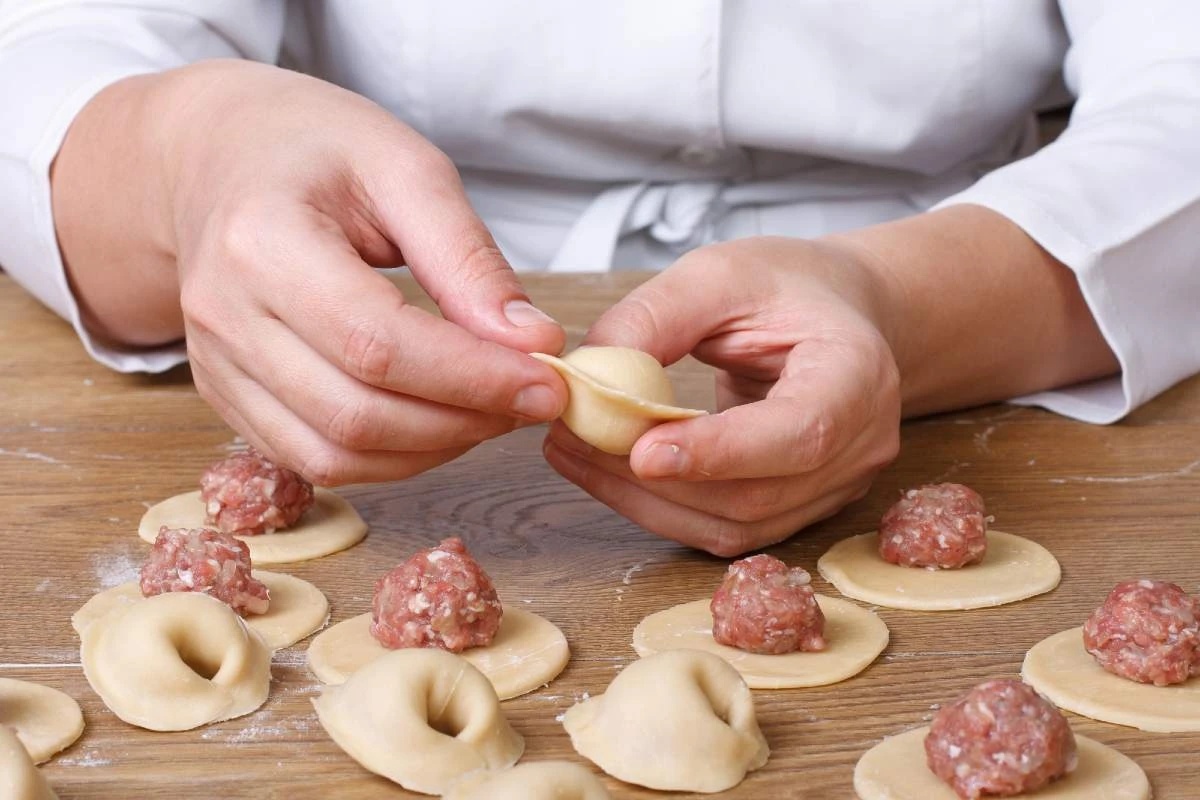
At its heart, pelmeni are simple: dough and meat in perfect harmony. The difference from Chinese-style dumplings lies in the dough — slightly thicker, firm enough to survive boiling without tearing, yet soft enough to yield with each bite. The ideal balance is around 60–70% meat to 30–40% dough, ensuring a juicy filling wrapped in just enough chew.
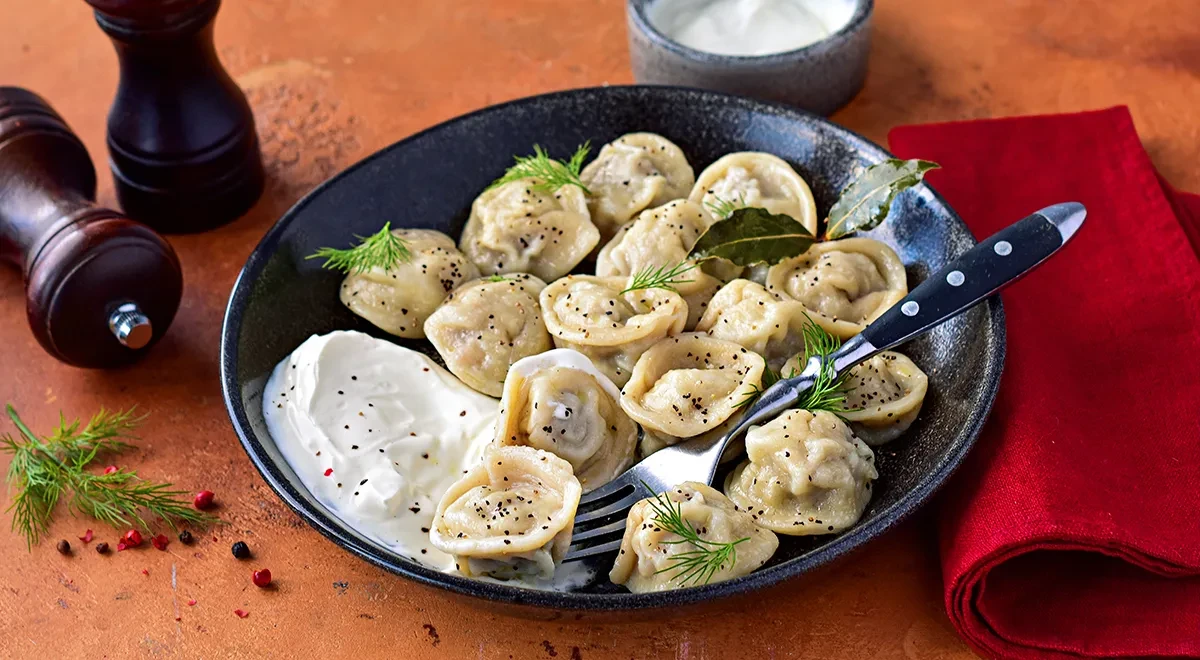
The dough is rolled thin (but not translucent) and cut into circles. The filling — usually a blend of beef and pork seasoned with onion, garlic, salt, and pepper — is spooned inside and folded into neat half-moons or rounds. They’re boiled until they float, then served with butter, vinegar, or a generous scoop of sour cream.
A Taste of Home at Kapitan
At Kapitan, our Siberian Dumplings (Beef & Pork) stay true to this centuries-old craft — handmade daily, perfectly balanced, and served hot with sour cream.
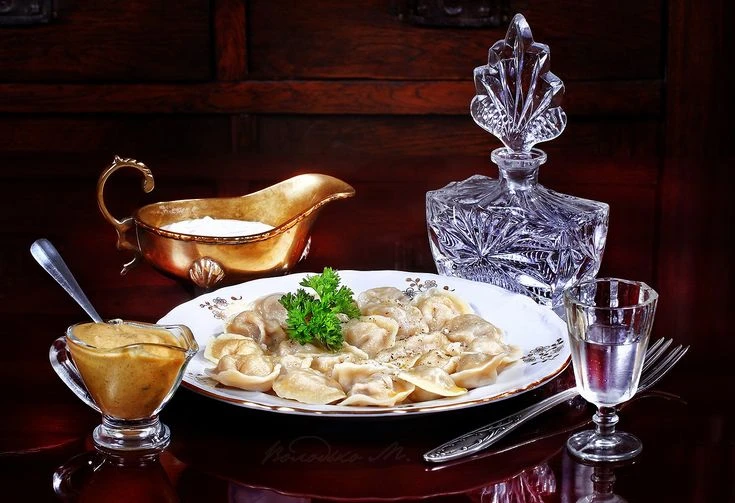
To experience them the classic Russian way, enjoy them with an ice-cold shot of vodka or a glass of red Georgian or Moldovan wine — a timeless pairing that captures the spirit of Slavic dining.
But dumplings at Kapitan go beyond tradition. Try them pan-fried or deep-fried, crisped golden with Parmesan and truffle oil, best paired with a pint of Russian beer for a hearty modern twist. For local inspiration, our kitchen sometimes experiments with flavors like Salted Egg, Mala, or even Pelmeni Carbonara Hot Plate — proof that comfort food can evolve without losing its soul.
Recipe: Traditional Pelmeni at Home