Borscht: More Than Just Beet Soup
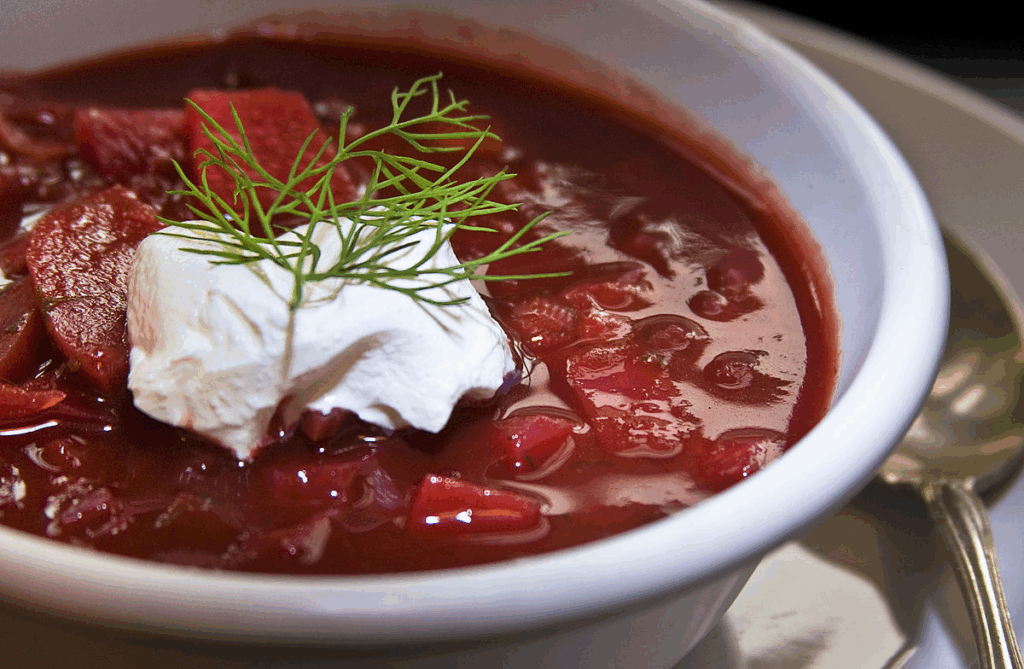
28 Nov 2025 Discover the story behind Ukraine’s most iconic dish — borscht. From its peasant roots to UNESCO recognition, this vibrant beet soup is a taste of history and heritage now served fresh at Kapitan Singapore.“Traditional Ukrainian borscht soup served with sour cream and rye bread at Kapitan Singapore.” 🪶 BORSCHT: MORE THAN JUST BEET SOUP Few dishes carry as much warmth, nostalgia, and national pride as borscht — the deep-red beet soup that has become synonymous with Ukrainian and Russian cuisine. But calling borscht just beet soup is like calling champagne sparkling juice. It’s a dish woven with history, family tradition, and the soul of Eastern Europe. 🥕 The Origins: A Peasant’s Hearty Creation Borscht’s story begins centuries ago in rural Ukraine, where humble ingredients — beets, cabbage, potatoes, carrots, onions, and a touch of pork or beef — were transformed into something extraordinary. It was a farmer’s way of stretching simple produce through the cold months, using what was on hand from the cellar and garden. Over time, each household added its own touch — smoked meats, beans, mushrooms, or even apples — creating endless regional variations that tell stories of resourcefulness and survival. More Than a Meal — A Symbol of Identity During turbulent periods in history, from wars to famine, borscht remained a unifying thread across Slavic culture. The act of sharing borscht — ladling it from one communal pot, topped with a swirl of sour cream and a slice of rye bread — became a gesture of comfort and resilience. In 2022, UNESCO officially recognized Ukrainian borscht as part of the world’s “Intangible Cultural Heritage in Need of Urgent Safeguarding.” This recognition wasn’t about protecting a recipe — it was about preserving a national identity and honoring the few generations who kept this dish alive through hardship. ❤️ The Beet: Heart of the Red The vibrant crimson hue of borscht isn’t just beautiful — it’s symbolic. The beetroot represents fertility, life, and renewal. Its earthy sweetness balances the tang of vinegar or tomatoes often used in the broth. When paired with tender beef, sour cream, and a touch of fresh dill, you get a perfect harmony of sweet, sour, and savory — the holy trinity of Eastern European cooking. 🍲 A Simple Recipe to Warm the Soul If you’d like to make borscht at home, spare some time as it’s a bit more complex than just an everyday soup. Here’s a simple way to bring a bit of Ukrainian tradition to your kitchen: Ingredients (serves 4–5): 3 medium beets, peeled and grated 1 carrot, grated 1 onion, diced 2 potatoes, cubed ½ small cabbage, shredded 200g pork belly or beef brisket (optional) 2 tbsp tomato paste 1 tbsp vinegar or lemon juice 1 tsp sugar Salt and pepper to taste Sour cream and fresh dill for garnish Instructions: Simmer meat in 1.5L of water until tender (about 1-1.5 hr). Remove, cube, and return to the broth. In a pan, sauté onions and carrots, add beets and tomato paste, and cook for 10 minutes. Combine with broth, add potatoes and cabbage, and cook until soft. Season with salt, pepper, vinegar, and sugar to balance the flavors. Serve hot with a dollop of sour cream and a sprinkle of dill. The result? A soup that’s hearty yet light, tangy yet sweet — exactly how it’s meant to taste across the cold plains of Eastern Europe. 🌍 A Dish That Traveled the World From Kyiv and Moscow to Paris and New York, borscht crossed borders with immigrants and storytellers. Every generation adapted it — served chilled in summer, made vegetarian during Lent, or modernized with crème fraîche in fine dining. Yet, its essence stayed the same: humble ingredients, slow cooking, and deep soul. Today, borscht has become a cultural bridge — an introduction for many to the broader world of Slavic cuisine, filled with rich stews, handmade dumplings, and hearty breads. ⚓ At Kapitan: Our Tribute to Tradition At Kapitan Restaurant, our Ukrainian Borscht stays true to its roots — slow-simmered beets, tender beef, root vegetables, and a touch of dill, served with rye bread and sour cream. Each bowl is a nod to generations who cooked this dish over wood-fired stoves, turning simple produce into comfort and community.So next time you visit, don’t just taste the soup — taste the story. Because at Kapitan, every dish carries the heart of where it came from.
Discovering the Magic of Russian Dumplings
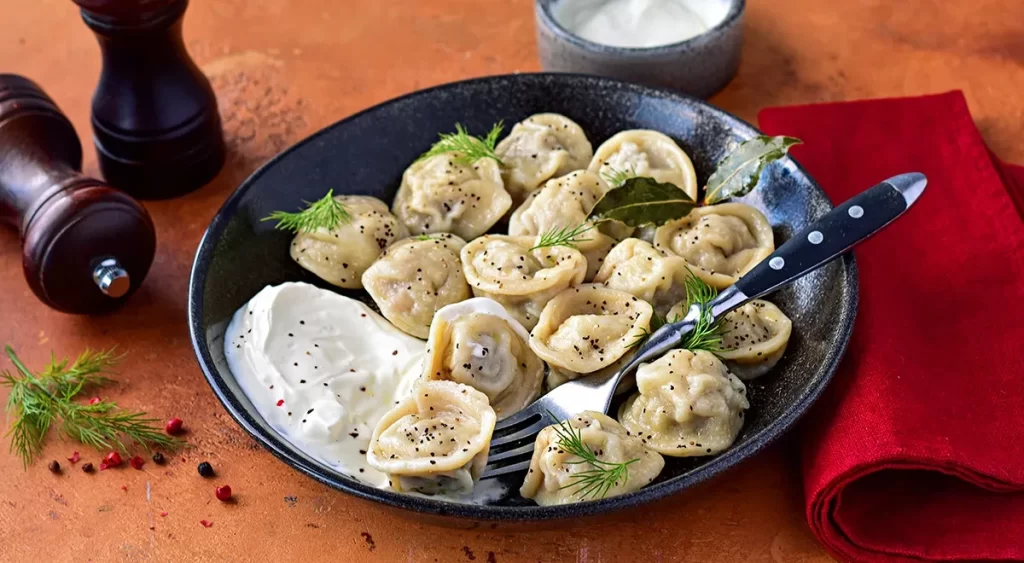
28 Nov 2025 There’s a reason Russian dumplings — or pelmeni — have become one of the most beloved comfort foods across Eastern Europe. At first glance, they might look like any other dumpling, but behind each bite lies a rich story of survival, family, and culinary heritage. The Origin Story Pelmeni are said to have originated in the cold Siberian wilderness centuries ago. Hunters would prepare and freeze them outdoors, carrying the compact parcels of meat on long journeys. Easy to boil over a campfire and packed with calories, these dumplings became a symbol of endurance and practicality — the perfect traveler’s meal. Over time, every region adapted the recipe. In the Ural Mountains, families mixed beef, pork, and lamb for a deeper flavor. In Moscow, they added spices and herbs. And by the time pelmeni spread across the Soviet Union, they were embraced as the unofficial national dish — a unifying plate that every home could afford to make. The Art of Making Pelmeni At its heart, pelmeni are simple: dough and meat in perfect harmony. The difference from Chinese-style dumplings lies in the dough — slightly thicker, firm enough to survive boiling without tearing, yet soft enough to yield with each bite. The ideal balance is around 60–70% meat to 30–40% dough, ensuring a juicy filling wrapped in just enough chew. The dough is rolled thin (but not translucent) and cut into circles. The filling — usually a blend of beef and pork seasoned with onion, garlic, salt, and pepper — is spooned inside and folded into neat half-moons or rounds. They’re boiled until they float, then served with butter, vinegar, or a generous scoop of sour cream. A Taste of Home at Kapitan At Kapitan, our Siberian Dumplings (Beef & Pork) stay true to this centuries-old craft — handmade daily, perfectly balanced, and served hot with sour cream. To experience them the classic Russian way, enjoy them with an ice-cold shot of vodka or a glass of red Georgian or Moldovan wine — a timeless pairing that captures the spirit of Slavic dining. But dumplings at Kapitan go beyond tradition. Try them pan-fried or deep-fried, crisped golden with Parmesan and truffle oil, best paired with a pint of Russian beer for a hearty modern twist. For local inspiration, our kitchen sometimes experiments with flavors like Salted Egg, Mala, or even Pelmeni Carbonara Hot Plate — proof that comfort food can evolve without losing its soul. Recipe: Traditional Pelmeni at Home Ingredients: 2 cups all-purpose flour 1 egg ½ cup cold water 250g minced beef 250g minced pork 1 small onion (grated) Salt & black pepper to taste Method: Mix flour, egg, and water into a smooth, slightly firm dough. Rest for 30 minutes. Combine minced meats, onion, salt, and pepper for the filling. Roll dough slightly thicker than Asian dumpling skin and cut into small circles. Place a teaspoon of filling in each, fold and seal tightly. Boil in salted water for 5–7 minutes until they float. Serve hot with butter and sour cream. More Than a Meal Pelmeni are more than just food — they’re memory, warmth, and nostalgia wrapped in dough. They remind us of cold winters spent around a steaming pot, of generations rolling dumplings by hand, of laughter shared across the table. At Kapitan, we serve them the way they were meant to be — with heart. Siberian Dumplings Vodka Moldovan wine Tanjong Pagar
Blinis: The Soft Pillows of Eastern Europe
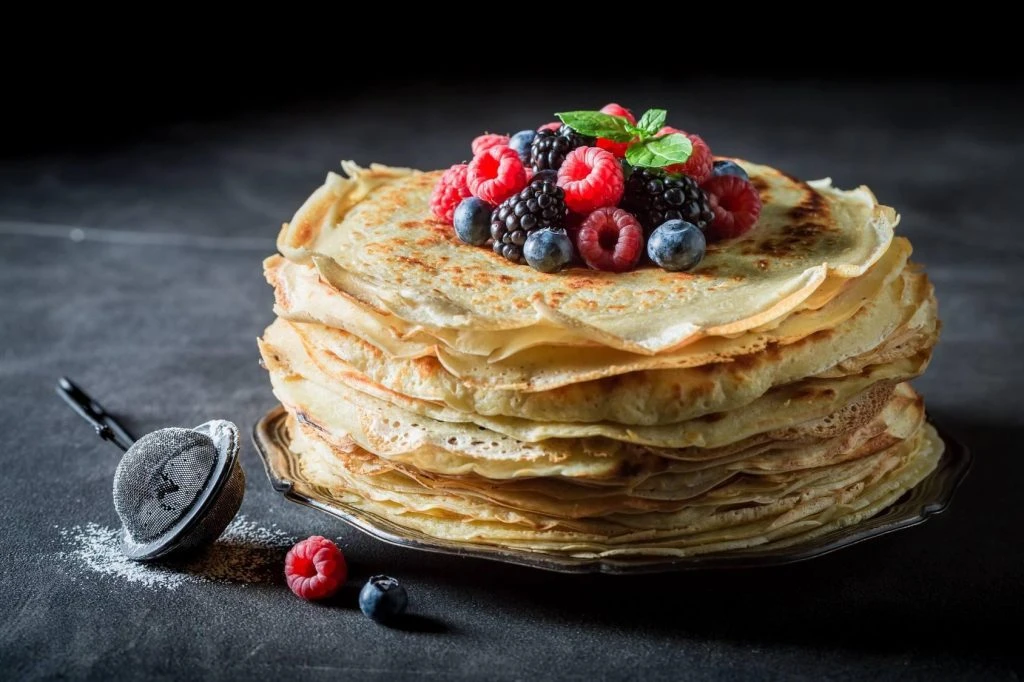
28 Nov 2025 If borscht is the soul of Eastern Europe, then blinis are its heart — warm, comforting, and endlessly versatile. These golden crepes are more than breakfast; they’re a symbol of joy, family, and tradition. Born from Maslenitsa, the Russian festival celebrating the end of winter, blinis represent the first rays of spring — round, bright, and full of life. The beauty of a blini lies in its flexibility. Each region, and even each family, has their own way of enjoying it. Some like it soft and tender — paper-thin, lightly browned, and rolled up with fillings that melt inside: smoked salmon and cream cheese, chicken and cheddar, or mushroom and sour cream. Others prefer them crisp, pan-fried to a golden edge until the surface crackles ever so slightly — perfect for holding richer fillings like duck confit or ham and egg breakfast mix. Then there’s the art of folding. Blinis can be stacked into delicate quarters, hiding inside a spoon of cottage cheese, or folded into envelopes with Nutella, banana, and a drizzle of honey. The sweet versions are often served with condensed milk, berry jam, or a simple honey-sour cream dip, which balances the richness of the batter with a light tang. For more sweet options, check our Desserts menu:👉 Internal link: And if you want to explore all our sweet & savoury crepe options, view our Crepes Menu:👉 Internal link: Across Eastern Europe, every bite tells a story — a grandmother’s morning ritual, a street vendor’s late-night snack, or a café’s weekend indulgence. Some pair their blinis with a steaming cup of black tea, others with Kefir or Kompot, keeping the tradition alive in every sip and bite. But what makes blinis truly special is how universal they are — they fit every moment of the day.On busy weekdays, two rolled crepes stuffed with meat, mushroom and cheese, or curds, paired with tea or coffee, make for a quick, satisfying breakfast.On weekends, they transform into a slow brunch favorite — smoked salmon blini topped with a poached egg, maybe a touch of dill and sour cream.For a light business lunch, blinis can be enjoyed with a fresh side salad and a berry drink.And when the evening comes, they turn elegant — warm crepes with red caviar, a spoon of sour cream, and a glass of chilled sparkling wine. At Kapitan, we celebrate blinis in all their forms — soft, folded, rolled, or crisped — because they’re not just food. They’re comfort. They’re memory. They’re the soft pillows of Eastern Europe. Short Recipe: Classic Homemade Russian Blinis A simple, traditional-style blini you can try at home. Ingredients: 1 cup flour 2 eggs 1.5 cups milk 1 tbsp melted butter Pinch of salt 1–2 tsp sugar (optional, if making sweet blinis) Method: Whisk eggs, milk, salt, and sugar. Add flour gradually until smooth. Mix in melted butter. Rest 15 minutes. Pour a thin layer onto a hot, lightly oiled pan. Cook until golden, flip, and finish for 10–15 seconds. Serve rolled, folded, or stacked — with your favourite sweet or savoury topping. #Blinis #RussianCrepes #EasternEuropeanFood #SlavicCuisine #RussianFoodSingapore #UkrainianFoodSingapore #SingaporeFood #TanjongPagarEats #MaxwellFood #CBDFoodSG #SingaporeBrunch #BrunchSingapore #BrunchTanjongPagar #CrepeLovers #SweetCrepes #SavoryCrepes #SmokedSalmonCrepe #CaviarCrepes #CheeseBlini #MatchaCrepe #KapitanSingapore #KapitanRestaurant #SlavicFoodSG #SlavicBrunch #KapitanMenu #KapitanDesserts #KapitanCrepes #BlinisSingapore #RussianBrunchSG #CrepeBrunchSG #EasternEuropeanBrunch #SlavicComfortFood #CrepesNearMe #BrunchNearMeSG
Russian Honey Cake: A Sweet Ending to a Soulful Feast

28 Nov 2025 Few desserts carry as much nostalgia across Russia, Ukraine, and much of Eastern Europe as Medovik — the beloved layered honey cake that has quietly travelled generations, kitchens, and borders to land on your table at Kapitan. What looks like a simple slice — golden layers, velvety cream, a gentle aroma of honey — is actually a story of patience, craft, and heritage.Medovik belongs to the family of cakes that invite time. Thin biscuit layers baked with honey. Cream so light it almost sighs. The trick is in the resting — hours of letting the layers soften and merge until the cake becomes one delicate, unified piece. No shortcuts, no rushing. Just honest ingredients and slow transformation.At Kapitan, our Medovik follows the same philosophy. Homemade, layered by hand, and served the traditional way — often with a scoop of gelato on the side . It’s not just dessert; it’s the “sweet ending” Slavic families grew up expecting after a long feast of dumplings, stews, and soups.But what makes honey cake so universal? Because every culture has its comfort dessert — and Medovik is the Eastern European answer to that craving: delicate, creamy, just sweet enough, and endlessly soothing. You see it in our weekday lunch sets too, where adding a slice feels like rewarding yourself after surviving the workday rush . The Story Behind Medovik Legend says it began in the imperial kitchens of 19th-century Russia. A young chef unknowingly served a honey-rich cake to Empress Elizabeth, who famously disliked honey — until she tasted it. And just like that, a dessert that wasn’t supposed to impress became a royal staple.From there, Medovik spread like wildfire across the region. Every household shaped its own version — some sweeter, some sourer, some taller, some rustic. But the core remained the same: honey, cream, patience. Why Honey Cake Endures Today Because it hits that sweet spot between nostalgia and elegance.Because it pairs effortlessly with tea, coffee, or even a dessert wine — an underrated combo worth trying with our Ice Wine: Muscat & Honey .Because after savoury dishes like Olivier salad, dumplings,beef stroganoff or goulash, honey cake brings perfect balance — a soft landing after a hearty Slavic feast. And honestly? Because it just makes people happy. And here’s the bragging right:Medovik was ranked the #4 Best Cake in the World in 2023 by TasteAtlas.View the full TasteAtlas Awards 23/24 list here:https://www.tasteatlas.com/best/foods-by-category Mini Recipe: Make a Simple Medovik at Home Ingredients: – Honey– Sugar– Butter– Eggs– Flour– Sour cream or condensed-milk cream Method (short and sweet): – Gently heat honey, sugar, and butter until melted.– Add eggs, whisking fast.– Add flour to form soft dough.– Roll thin layers; bake until lightly golden.– Whip sour cream with sugar or condensed milk.– Spread cream between all layers.– Rest overnight — the magic step. If you’re too busy? Just come to Kapitan — we’ll save you a slice. If one slice isn’t enough, you can now pre-order Kapitan’s full Medovik honey cake — available in 1 kg or 2 kg sizes. Perfect for birthdays, office treats, family gatherings, or when you want to bring a piece of authentic Slavic dessert culture home. Each cake is made fresh to order using the traditional slow-layering method, so we recommend 24–48 hours advance notice. Order a Whole Medovik (1 kg or 2 kg) — Pre-Order for Delivery or Pickup ✨ Order online at: https://kapitan.oddle.me/ (Delivery & pickup options available)Bring home the world’s top honey cake — handmade, authentic, and unforgettable.
We do hope people can be kinder’: Russian restaurateur in Singapore faces war backlash, responds with charity
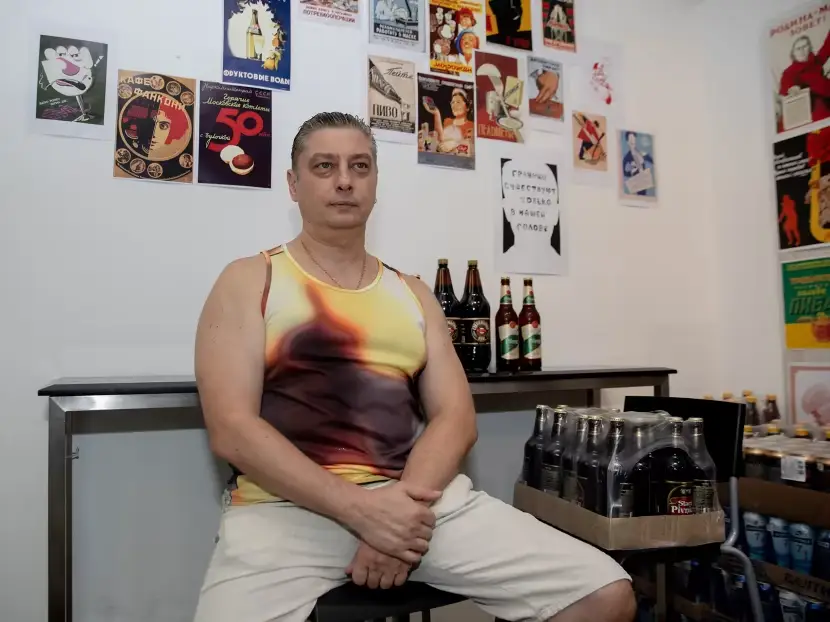
Mar 2022 SOURCE: TODAY / CNA (as cited)(Combination of multiple interviews) – Vadim Zoubovski emerged as a spokesperson for peace when war broke out. Media outlets noted that Vadim, 51 – who moved to Singapore in 2004 and still has family in Ukraine – saw his restaurant hit by anti-Russian sentiment. In a local interview, he shared how hurtful comments on Kapitan/Dumplings.ru’s pages accused him over the war. Rather than react in anger, he made a public appeal for kindness xinjiapo.news and declared a donation of part of the business’s revenue to support Ukrainians xinjiapo.news . Singapore’s press covered his story widely: in TODAY, Vadim recounted one troll telling him to “get Putin to stop the war,” but after he posted the heartfelt Facebook message on Mar 1, many Singaporeans rallied behind his restaurant todayonline.com todayonline.com – business actually improved with patrons lining up to show support. CNA Lifestyle also highlighted Vadim’s quote that they “don’t feel comfortable promoting Russian food” amid the conflict, hence the brand’s pivot to a broader Eastern European theme cnalifestyle.channelnewsasia.com . Collectively, these profiles portray Vadim as a resilient, compassionate restaurateur who, despite being caught in geopolitical crossfire, chose to build bridges – using his dumplings to spread a message of unity and donating to humanitarian causes in the hope of peace xinjiapo.news southeastasiaglobe.com . VIEW NOW
From Ukraine to Maxwell: An Immigrant’s Dream for Singaporeans To Love Slavic Food
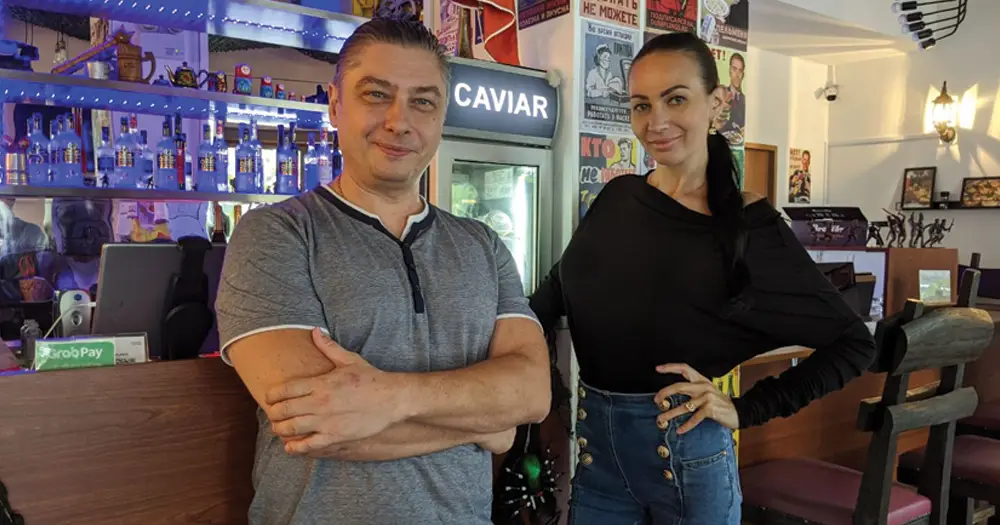
31 Oct 2020 SOURCE: Mothership.sg (Stories of Us)A feature story interviewing Vadim Zoubovski and Alena Zubovska, who after 16 years in Singapore opened Dumplings.ru to share their Slavic comfort food. The piece, written in first-person perspective (Tanya Ong), recounts how the writer visited the Maxwell restaurant upon seeing an ad for Russian dumplings on Instagram mothership.sg . It describes the eatery’s homey, vintage vibe – warm lighting, Cyrillic posters, a heavy-metal skeleton “mascot” for Halloween mothership.sg mothership.sg . Vadim (born in Ukraine, now a Russian citizen) narrates the backstory: he moved to SG in 2004 for a shipping job, and he and Alena (now PRs with two SG-educated kids) longed for the taste of home mothership.sg . Alena initially cooked family dishes for friends who missed Russian cuisine, which led them to start a dumpling kiosk and eventually the restaurant mothership.sg . The couple poured their hearts (and life savings) into this venture to introduce pelmeni, borscht, chebureki, and other “every Russian household” dishes to Singaporeans stringssg.com . Vadim shares cultural tidbits, treating the writer to traditional kvass (fermented bread drink) and kompot (fruit punch) while discussing how food brings people together mothership.sg mothership.sg . This profile highlights Vadim’s passion for showcasing Slavic hospitality and creating a “little piece of home” in Singapore – a timely venture when pandemic travel was impossible and locals were eager to “travel through food.” VIEW NOW
From Ukraine to Maxwell: An Immigrant’s Dream for Singaporeans To Love Slavic Food
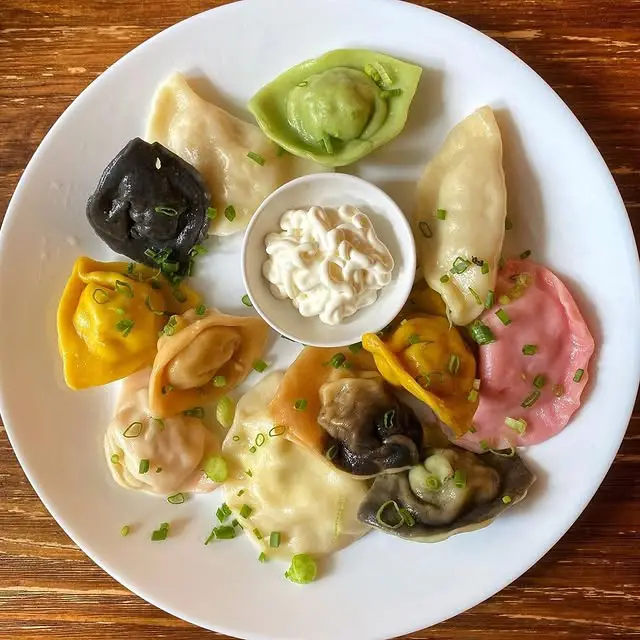
11 Oct 2023 SOURCE: RICE Media (Singapore)A narrative feature in RICE’s Singaporean Enough series, telling Mark Zubovskyy’s story as an immigrant child turned F&B entrepreneur. It vividly describes a day in his life at Kapitan: the 22-year-old in a striped shirt and bandana hustling from kitchen to bar in an empty midday restaurant, drawing a S$2,000/month salary “just enough to cover expenses” ricemedia.co ricemedia.co . The piece explores Mark’s identity – born in Ukraine, raised in SG since age 3 – and how he toggles between a Russian accent and Singlish when conversing, having assimilated over 19 years ricemedia.co ricemedia.co . It recounts how he deferred NTU in 2022 when his parents’ Maxwell eatery (opened late 2019) urgently needed hands ricemedia.co . RICE contextualizes the family’s struggles: Covid lockdowns, unfamiliar cuisine, and war stigma all made business tough. Mark reflects on the harsh realities of running a niche restaurant – long hours, slow weekday footfall – and the bittersweet choice of giving up campus life for a higher purpose asiaone.com asiaone.com . Despite this, he finds fulfillment in the work, seeing it as preserving his family’s heritage and educating Singaporeans about Slavic culture. This human-interest piece portrays Mark as a bridge between cultures, driven by both filial duty and pride in introducing pelmeni, borscht and more to local diners. VIEW NOW
Kapitan.sg: Russian family on keeping restaurant alive in S’pore
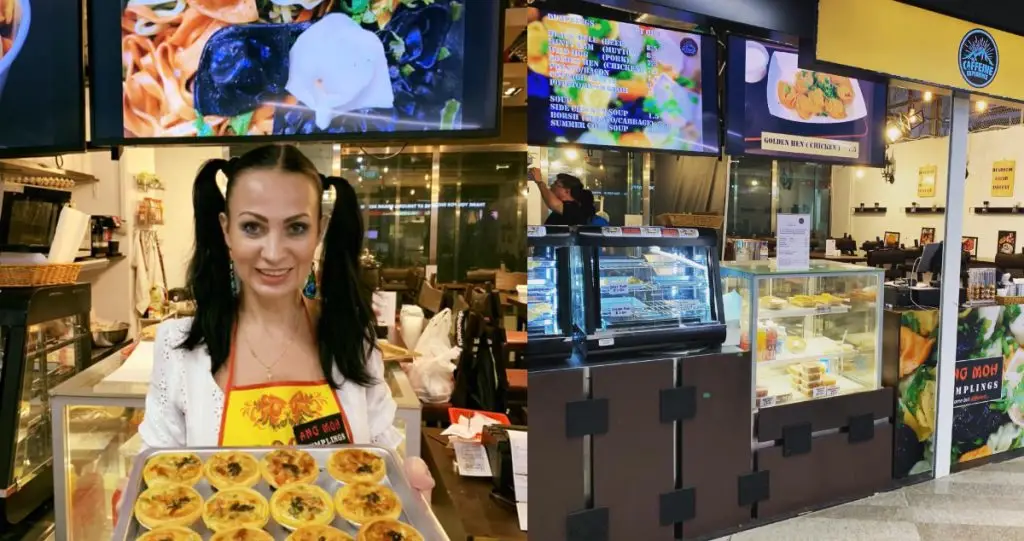
07 Sep 2023 SOURCE: Vulcan Post (Tech & entrepreneurship site) An entrepreneurial profile on how the Zubovskyy family fought to sustain Kapitan.sg. It chronicles their journey: moving to Singapore in 2004, starting a humble “Angmoh Dumplings” kiosk in 2019 with S$20–30k capital to test demand vulcanpost.com , then pouring “their entire life savings” (~S$50–70k) into opening the Maxwell restaurant in 2020 vulcanpost.com . The article details challenges faced – Covid-19 (lockdowns hit shortly after opening, forcing them down to one staff) vulcanpost.com , then war backlash (online negativity accusing them of promoting Russian food during the conflict) vulcanpost.com . Mark shares how they rebranded from the generic name Angmoh Dumplings to Dumplings.ru for clearer identity vulcanpost.com , then pivoted to Borscht (a Ukrainian dish) and finally Kapitan in 2022 to distance from politics vulcanpost.com vulcanpost.com . Mark reveals stark finances – the restaurant needs S$55k/month (rent, salaries, loans) to break even vulcanpost.com , and the family downgraded their lifestyle (sold car and bike) to fund it vulcanpost.com . After dropping out of NTU to help, he took only a minimal salary and even did modeling gigs on the side to support himself vulcanpost.com . Thanks to viral TikToks, by 2023 Kapitan was on the road to breakeven and Mark hopes to eventually resume studies vulcanpost.com vulcanpost.com . The piece underscores the family’s resilience and the founder-son’s innovative efforts to keep their unique Slavic food dream alive. VIEW NOW
21-Year-Old S’pore PR Drops Out Of Uni To Save Family’s Restaurant, Now Works There Full-Time
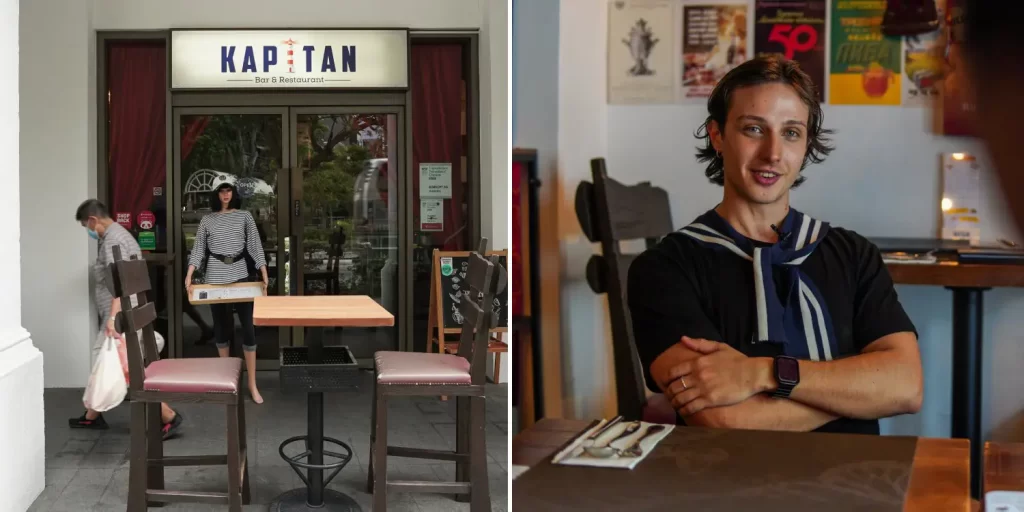
7 Aug 2023 SOURCE: MustShareNews (Singapore)A locally-viral news story about Mark Zubovskyy. It introduces Kapitan as a Slavic restaurant “formerly known as Borscht and Dumplings.ru,” one of the only places for Slavic cuisine in Singapore mustsharenews.com . The article narrates Mark’s background (came to SG at age 3, studied here, completed NS) and the turning point where he quit school to help. It describes how Mark now “wears every hat” at the restaurant at only 21 – from managing inventory to cooking and even bartending mustsharenews.com . It also mentions his TikTok success: a video of him in a sailor’s neckerchief telling his story went viral, giving Kapitan a surge in visibility mustsharenews.com mustsharenews.com . The piece includes Mark’s reflections on adapting to local life and his attachment to Singapore. Overall, it frames Mark as a filial son and passionate young entrepreneur reviving his family’s food venture with grit and savvy. (Accompanied by photos of Mark and Vadim at Kapitan.) VIEW NOW
My parents were struggling’: 21-year-old drops out of university to save family’s Slavic restaurant

Aug 2023 SOURCE: AsiaOne (Lifestyle)A CNA Lifestyle feature (sourced from 8days) on Mark Zubovskyy’s decision to put university on hold to run the family restaurant. It mirrors the 8days story: Mark, who grew up in Singapore and served NS, was set to study maritime business at NTU but “couldn’t leave the restaurant” as it lacked manpower asiaone.com asiaone.com . He joined Kapitan full-time weeks before term, taking over operations to ease his parents’ burden. The piece notes Kapitan (opened 2020) had a “nautical-themed facelift” in April 2023 but had struggled for a year with almost no customers cnalifestyle.channelnewsasia.com . Mark leveraged TikTok, creating humorous content (dressed as a ship captain “kidnapping” strangers to dine at Kapitan) which went viral and brought in new patrons straitstimes.com . Still, he acknowledges the challenges of introducing unfamiliar fare (Russian dumplings, borscht, etc.) to Singaporeans straitstimes.com . The article underscores Mark’s resolve to honor his sailor-turned-restaurateur father’s legacy in a different way, and includes Mark’s quote that he has “learned a lot more in the past two years [running a business] than at university” asiaone.com asiaone.com . (This story was published on CNA’s platform, authored by Yip Jieying.) VIEW NOW